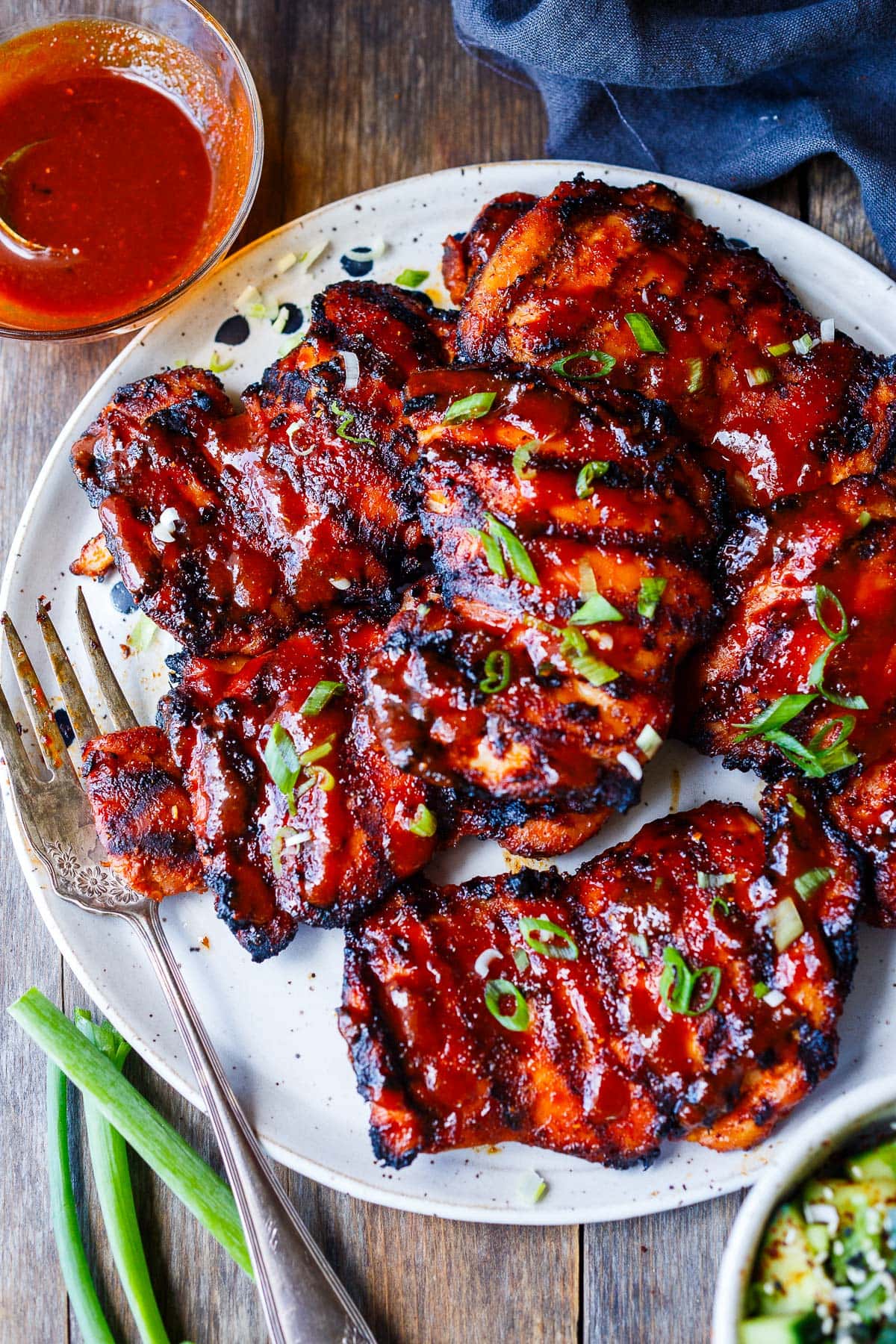

Credit: unsplash.com
An Engaging Introduction to a Global Icon
There are very few dishes in the global culinary repertoire that can command the universal love, absolute devotion, and mouth-watering anticipation quite like Butter Chicken Masala. Also known by its traditional Hindi name, Murgh Makhani, this iconic Indian curry is the undisputed king of comfort food. Close your eyes for a moment and imagine the sensory experience: the intoxicating aroma of toasted spices wafting through your kitchen, the deep, vibrant orange-red hue of the simmering sauce, and the velvet-like texture of a gravy that perfectly coats tender, charred pieces of chicken. It is, without a doubt, a culinary masterpiece that has captured the hearts and palates of food lovers all around the world.
Butter Chicken Masala Recipe is one of the most محبوب dishes, and Butter Chicken Masala Recipe is loved for its rich flavor because Butter Chicken Masala Recipe is creamy and delicious. When you cook Butter Chicken Masala Recipe at home, Butter Chicken Masala Recipe becomes even more special, and Butter Chicken Masala Recipe gives restaurant-style taste. Many people search for Butter Chicken Masala Recipe because Butter Chicken Masala Recipe is easy to make, and Butter Chicken Masala Recipe is perfect for dinner
. Butter Chicken Masala Recipe can be served with naan, and Butter Chicken Masala Recipe also goes well with rice, making Butter Chicken Masala Recipe a versatile dish. If you follow the right steps, Butter Chicken Masala Recipe will turn out perfect, and Butter Chicken Masala Recipe will impress your guests. Butter Chicken Masala Recipe is ideal for family meals, and Butter Chicken Masala Recipe is also great for special occasions, so Butter Chicken Masala Recipe becomes a favorite choice. Once you try Butter Chicken Masala Recipe, you will love Butter Chicken Masala Recipe again and again because Butter Chicken Masala Recipe is simple, tasty, and satisfying, and Butter Chicken Masala Recipe always delivers amazing results.
As a professional food writer, recipe developer, and an ardent lover of Indian cuisine, my journey with Butter Chicken is deeply personal. I vividly recall my first true encounter with authentic Murgh Makhani during a culinary pilgrimage to Old Delhi. Navigating the chaotic, vibrant, and spice-scented alleyways of Daryaganj, I found myself sitting at a humble, weathered table in a legendary eatery.
When the waiter set down a hammered copper bowl radiating heat, the fragrance alone was a revelation—a complex bouquet of smoky char, sweet tomato, and the distinct, maple-like earthiness of fenugreek. Tearing off a piece of blistered garlic naan and scooping up that impossibly rich, glossy sauce was a transcendent moment. From that day forward, I spent years trying to decode the secret behind the perfect restaurant-style butter chicken. I obsessed over spice ratios, tested countless varieties of tomatoes, and learned the traditional techniques used by master chefs to replicate that sheer magic.
Butter Chicken Masala Recipe is one of the most محبوب dishes, and Butter Chicken Masala Recipe is loved for its rich flavor because Butter Chicken Masala Recipe is creamy and delicious. When you cook Butter Chicken Masala Recipe at home, Butter Chicken Masala Recipe becomes even more special, and Butter Chicken Masala Recipe gives restaurant-style taste. Many people search for Butter Chicken Masala Recipe because Butter Chicken Masala Recipe is easy to make, and Butter Chicken Masala Recipe is perfect for dinner.
Butter Chicken Masala Recipe can be served with naan, and Butter Chicken Masala Recipe also goes well with rice, making Butter Chicken Masala Recipe a versatile dish. If you follow the right steps, Butter Chicken Masala Recipe will turn out perfect, and Butter Chicken Masala Recipe will impress your guests. Butter Chicken Masala Recipe is ideal for family meals, and Butter Chicken Masala Recipe is also great for special occasions, so Butter Chicken Masala Recipe becomes a favorite choice. Once you try Butter Chicken Masala Recipe, you will love Butter Chicken Masala Recipe again and again because Butter Chicken Masala Recipe is simple, tasty, and satisfying, and Butter Chicken Masala Recipe always delivers amazing results.
We have all been there—ordering takeout from our favorite local Indian restaurant, marveling at how impossibly rich and creamy the sauce is, and wondering, “How can I recreate this magic at home?” Well, the search ends here. After testing dozens of variations, tweaking spice ratios, and studying the fundamental chemistry of the dish, I am thrilled to share the ultimate guide on how to make butter chicken masala from scratch.
Making authentic butter chicken at home is not just about throwing ingredients into a pot; it is a labor of love, an art form that requires an understanding of how spices interact with dairy and acidity. But do not let that intimidate you! While the flavor profile is incredibly complex, the process itself is surprisingly straightforward and accessible for home cooks. You do not need a traditional tandoor (clay oven) to achieve that signature smoky flavor, nor do you need hard-to-find ingredients that will sit untouched in your pantry for years.
www.brost.com
In this extraordinarily comprehensive guide, we are going to dive deep into the very soul of Murgh Makhani. We will explore its fascinating history born out of sheer culinary ingenuity, break down the science of every chemical reaction occurring in your pan, and walk through a step-by-step process equipped with Michelin-level professional tips. Get ready to transform your kitchen into a fragrant haven of Indian gastronomy. Say goodbye to overly sweet, one-dimensional takeout versions, and say hello to an authentic, soul-warming, and deeply satisfying butter chicken masala that will forever elevate your culinary repertoire.
The History and Origin of Butter Chicken Masala

Credit: unsplash.com
To truly appreciate the rich, complex flavors of Butter Chicken Masala, one must understand its humble and rather serendipitous beginnings. The history of this world-famous dish is as colorful and captivating as the curry itself, deeply intertwined with the geopolitical shifts of the Indian subcontinent in the mid-20th century. It is a story of resilience, innovation, and the sheer human will to make something beautiful out of necessity.
The narrative takes us back to the late 1940s and early 1950s, shortly after the partition of India in 1947—a tumultuous period that saw massive migrations across the newly drawn borders. Three enterprising culinary pioneers—Kundan Lal Gujral, Kundan Lal Jaggi, and Thakur Dass—were Punjabi Hindu refugees who had migrated from Peshawar (in modern-day Pakistan) to Delhi.
Seeking a fresh start, they settled in the bustling neighborhood of Daryaganj in Old Delhi and opened a restaurant called Moti Mahal. This establishment would soon become a legendary culinary institution, credited with introducing and popularizing the traditional clay oven, or tandoor, to urban Indian diners.
At Moti Mahal, tandoori chicken was the undisputed star attraction. Whole chickens were deeply marinated in yogurt and a fiery blend of spices, then roasted in the blistering 800-degree Fahrenheit heat of the tandoor until they were perfectly charred on the outside and dripping with juices on the inside. The dish was a massive success, drawing crowds from all over the city. However
, the chefs faced a practical and financial dilemma: tandoori chicken cooked in advance would dry out if it sat unsold by the end of the day. Without modern refrigeration, and unwilling to let perfectly good, flavorful meat go to waste, the brilliant Kundan Lal Gujral conceptualized a solution that would inadvertently change the course of global culinary history.
Gujral decided to create a rich, restorative gravy to revive the leftover tandoori chicken. The sauce was masterfully crafted using a base of pureed fresh tomatoes, a highly generous amount of butter (makhan in Hindi), heavy cream, and a minimal but fragrant blend of spices.
The dry, leftover chicken was chopped into bite-sized pieces and submerged into this bubbling, luscious tomato-butter bath. The acidic tang of the tomatoes was perfectly mellowed by the luxurious dairy, while the smoky, charred flavor of the tandoori chicken infused the sauce with an irresistible, deep, wood-fired aroma.
Thus, Murgh Makhani—literally translating to “chicken with butter”—was born. What started as a clever kitchen hack to repurpose leftovers quickly eclipsed the original tandoori chicken in popularity. Word of this phenomenal dish spread like wildfire. Moti Mahal became a mandatory stop for dignitaries, celebrities, and politicians. India’s first Prime Minister, Jawaharlal Nehru, was famously fond of the dish, and it was served to visiting global leaders, including Richard Nixon and John F. Kennedy. Over the decades, butter chicken embarked on a global journey, crossing oceans and borders to become the ultimate ambassador of Indian cuisine worldwide.
The Art of Butter Chicken: A Culinary Philosophy
In Indian cuisine, cooking is rarely just about following a recipe; it is deeply rooted in a philosophy of balance, patience, and sensory intuition. The art of Butter Chicken lies in achieving the perfect equilibrium between four fundamental taste profiles: khatta (sourness from the tomatoes and lemon), meetha (sweetness from the caramelized onions, cream, and a pinch of sugar), teekha (heat from the Kashmiri chili and ginger), and namkeen (saltiness). When these four pillars are in perfect harmony, the resulting sauce dances on the palate without any single element overpowering the others.
Butter Chicken Masala Recipe is one of the most محبوب dishes, and Butter Chicken Masala Recipe is loved for its rich flavor because Butter Chicken Masala Recipe is creamy and delicious. When you cook Butter Chicken Masala Recipe at home, Butter Chicken Masala Recipe becomes even more special, and Butter Chicken Masala Recipe gives restaurant-style taste. Many people search for Butter Chicken Masala Recipe because Butter Chicken Masala Recipe is easy to make, and Butter Chicken Masala Recipe is perfect for dinner.
Butter Chicken Masala Recipe can be served with naan, and Butter Chicken Masala Recipe also goes well with rice, making Butter Chicken Masala Recipe a versatile dish. If you follow the right steps, Butter Chicken Masala Recipe will turn out perfect, and Butter Chicken Masala Recipe will impress your guests. Butter Chicken Masala Recipe is ideal for family meals, and Butter Chicken Masala Recipe is also great for special occasions, so Butter Chicken Masala Recipe becomes a favorite choice. Once you try Butter Chicken Masala Recipe, you will love Butter Chicken Masala Recipe again and again because Butter Chicken Masala Recipe is simple, tasty, and satisfying, and Butter Chicken Masala Recipe always delivers amazing results.
Central to this philosophy is the concept of bhunao. Bhunao is the traditional Indian cooking technique of slow-roasting or sautéing ingredients—particularly spices, onions, and tomatoes—over medium heat until the moisture evaporates and the oils separate from the mixture.
This process is not something to be rushed. In the context of Butter Chicken, taking the time to properly bhuna your tomato and onion base concentrates the flavors, caramelizes the natural sugars, and removes the raw, sharp bite of the ingredients. It is a meditative process. The art of the dish requires you to watch the pan, listen to the sizzle of the spices, and smell the exact moment the ginger-garlic paste loses its pungency and turns sweet and aromatic.
The Science of the Masala: Chemical Reactions in Your Pan
Behind the romance and history of Murgh Makhani lies a fascinating world of food chemistry. Understanding the science behind the steps will elevate you from a good cook to a master of the craft. Let us break down the crucial chemical reactions that make this dish spectacular.
1. Lactic Acid Tenderization
The marinade for the chicken relies heavily on yogurt. Unlike harsh acidic marinades (like pure vinegar or lemon juice) which can denature meat proteins too rapidly and result in a rubbery texture, the lactic acid in yogurt acts gently. Lactic acid slowly breaks down the complex protein structures in the chicken thighs, allowing them to retain moisture while creating a literal melt-in-your-mouth texture. Furthermore, the thick yogurt creates a protective coating that shields the meat from the intense heat of the pan during the searing phase.
2. The Maillard Reaction
When you sear the marinated chicken in a hot pan, you are initiating the Maillard reaction. This is a complex chemical reaction between amino acids (from the chicken proteins) and reducing sugars (from the yogurt) that occurs at temperatures around 300°F (150°C) and above. As the chicken hits the hot skillet, hundreds of new, highly complex flavor compounds (like pyrazines and thiophenes) are created. This is what gives the chicken its savory, roasted, “meaty” depth, replicating the charred edges traditionally achieved in a 800-degree tandoor oven.
3. Lipid Extraction of Spices
Why do we toast the cinnamon, cardamom, and cloves in hot butter before adding the onions? Spices contain volatile essential oils, which are the primary source of their flavor and aroma. These oils are hydrophobic, meaning they do not dissolve well in water, but they are highly fat-soluble. By blooming the spices in hot butter (a process called tadka or tempering), you extract these flavor compounds into the fat. This flavored fat then coats every single ingredient added to the pan thereafter, ensuring the spices permeate the entire sauce evenly.
4. Emulsification and Preventing Syneresis
A common problem in tomato-cream sauces is syneresis—the weeping or splitting of the sauce where the oil separates completely from the water content, or the dairy curdles due to the acidic tomatoes. In Butter Chicken, cashews act as a brilliant scientific stabilizer. Blended cashews release starches and healthy fats that act as an emulsifier. The starch molecules swell and bind the water and fat together into a stable, homogenous, and incredibly velvety suspension. This allows the highly acidic tomato puree to coexist peacefully with the heavy cream added at the end.
Deep-Dive Ingredient Selection

Credit: unsplash.com
A masterpiece is only as good as the medium used to create it. The secret to a show-stopping Butter Chicken Masala lies entirely in the quality and harmony of its ingredients. Let us analyze the heavy hitters.
The Tomatoes: The Backbone of the Sauce
Butter chicken is fundamentally a tomato-based gravy. Therefore, the tomatoes you choose will dictate the entire outcome of your dish. In India, local hybrid tomatoes are often used, balancing tartness and sweetness. For the home cook, finding ripe, red, high-pectin tomatoes is crucial. Roma tomatoes or vine-ripened tomatoes are excellent choice
s because they have a higher flesh-to-water ratio. If you are cooking in the dead of winter when fresh tomatoes are pale, mealy, and tasteless, you are actually better off using high-quality canned whole peeled tomatoes (like San Marzanos). Canned tomatoes are picked and packed at peak ripeness, ensuring a consistent sweetness and vibrant red color.
The Poultry: White vs. Dark Meat
While Westernized versions of this dish frequently use chicken breasts, I vehemently advocate for boneless, skinless chicken thighs. Chicken breasts are incredibly lean, meaning they lack the intramuscular fat needed to withstand the double-cooking process (searing, followed by simmering). Thigh meat contains more connective tissue, particularly collagen.
As the thighs simmer gently in the makhani sauce, this collagen breaks down into rich gelatin, basting the meat from the inside out and contributing to the overall lip-smacking quality of the sauce.
Butter Chicken Masala Recipe is one of the most محبوب dishes, and Butter Chicken Masala Recipe is loved for its rich flavor because Butter Chicken Masala Recipe is creamy and delicious. When you cook Butter Chicken Masala Recipe at home, Butter Chicken Masala Recipe becomes even more special, and Butter Chicken Masala Recipe gives restaurant-style taste. Many people search for Butter Chicken Masala Recipe because Butter Chicken Masala Recipe is easy to make, and Butter Chicken Masala Recipe is perfect for dinner.
Butter Chicken Masala Recipe can be served with naan, and Butter Chicken Masala Recipe also goes well with rice, making Butter Chicken Masala Recipe a versatile dish. If you follow the right steps, Butter Chicken Masala Recipe will turn out perfect, and Butter Chicken Masala Recipe will impress your guests. Butter Chicken Masala Recipe is ideal for family meals, and Butter Chicken Masala Recipe is also great for special occasions, so Butter Chicken Masala Recipe becomes a favorite choice. Once you try Butter Chicken Masala Recipe, you will love Butter Chicken Masala Recipe again and again because Butter Chicken Masala Recipe is simple, tasty, and satisfying, and Butter Chicken Masala Recipe always delivers amazing results.
The Fats: Butter vs. Ghee
It is called Butter Chicken, but the traditional fats used are actually a combination of standard butter and ghee (clarified butter). Ghee has had its milk solids and water removed, meaning it has a much higher smoke point (around 450°F / 230°C) than regular butter. If you use pure butter to sear your chicken, the milk solids will burn, leaving bitter, black specks in your food. Therefore, we use a touch of neutral oil or ghee for the high-heat searing, and reserve the fresh, sweet, unsalted butter for finishing the sauce, allowing its creamy flavor to shine without scorching.
The Secret Weapon: Kasuri Methi
If there is one ingredient that separates a generic tomato curry from authentic Murgh Makhani, it is Kasuri Methi (dried fenugreek leaves). You cannot skip this. Kasuri Methi contains a chemical compound called sotolon, which, in low concentrations, smells remarkably like maple syrup, caramel, and warm earth.
When you crush these dried leaves between your palms and dust them over the finished curry, it imparts a smoky, herbaceous, and deeply savory aroma that instantly transports you to a New Delhi restaurant. Do not attempt to substitute it with fenugreek seeds; they are entirely different in flavor and will make your dish incredibly bitter.
Detailed Ingredients List
Gathering your mise en place (ingredients prepped and ready to go) is essential. Here is exactly what you will need for a recipe that feeds 4 to 6 people.
The Chicken and Marinade
- Chicken Thighs: 1.5 lbs (700g), boneless, skinless, cut into 1.5-inch pieces.
- Hung Curd or Thick Greek Yogurt: 1/2 Cup. Ensure it is full-fat for maximum tenderization.
- Ginger-Garlic Paste: 2 Tablespoons. Freshly pounding equal parts garlic and ginger yields the best aroma.
- Kashmiri Red Chili Powder: 1 Tablespoon. Crucial for the vibrant red hue without extreme heat. (Substitute: Sweet paprika with a tiny pinch of cayenne).
- Lemon Juice: 1 Tablespoon, freshly squeezed.
- Garam Masala: 1 Teaspoon. A warming blend of spices.
- Turmeric Powder: 1/2 Teaspoon.
- Mustard Oil or Neutral Oil: 1 Tablespoon (Mustard oil adds a traditional sharp pungency).
- Salt: 1 Teaspoon, or to taste.
The Makhani (Butter) Sauce
- Fresh Ripe Tomatoes: 5 to 6 Medium (approx. 600g), roughly chopped.
- Yellow Onion: 1 Medium, roughly chopped.
- Cashews (Unsalted): 15 to 20 whole nuts. Soak them in warm water if your blender is not high-powered.
- Unsalted Butter: 4 Tablespoons (divided use).
- Heavy Whipping Cream: 1/2 Cup. Must be room temperature.
- Kasuri Methi (Dried Fenugreek Leaves): 1.5 Tablespoons.
- Ginger-Garlic Paste: 1 Tablespoon.
- Kashmiri Red Chili Powder: 1 Teaspoon.
- Whole Spices: 1 Cinnamon stick (2 inches), 3-4 Green Cardamom pods, 3-4 Cloves.
- Sugar or Honey: 1/2 to 1 Teaspoon (to balance tomato acidity).
- Salt: To taste.
Step-by-Step Instructions with Professional Tips

Credit: unsplash.com
Creating the perfect Butter Chicken Masala is conducted in two distinct phases: crafting the “tandoori” style chicken, and building the lush makhani sauce. Follow these exhaustive steps for foolproof, restaurant-quality results.
Step 1: The Ultimate Marinade
Start by preparing your chicken thighs. Trim any massive pockets of excess fat, but leave a little for flavor. Cut the meat into 1.5-inch bite-sized cubes. In a large, non-reactive glass or stainless-steel mixing bowl, combine the thick Greek yogurt, ginger-garlic paste, Kashmiri red chili powder, turmeric, garam masala, lemon juice, oil, and salt. Use a whisk to blend this into a smooth, vibrant red paste. Toss the chicken pieces into the bowl. Using your hands, massage the marinade into the meat, ensuring every single crevice is generously coated.
Professional Tip: Time equals flavor. While you can technically get away with marinating for 30 to 45 minutes at room temperature if you are in a rush, for truly transcendent, tender, and intensely flavorful chicken, cover the bowl tightly with plastic wrap and let it rest in the refrigerator for 12 to 24 hours. This allows the lactic acid to work its tenderizing magic.
Step 2: Searing the Chicken (Replicating the Tandoor)
Since most of us do not have a blazing hot clay tandoor in our backyard, we must rely on high heat to replicate that smokey, caramelized char. Heat a heavy-bottomed cast-iron skillet or a wide stainless-steel pan over medium-high heat. Add a tablespoon of neutral oil (to prevent burning) and a tablespoon of butter. Let it melt until it foams and subsides.
Once the pan is screaming hot, lay the chicken pieces down in a single layer. Do not crowd the pan. If you put too much meat in at once, the temperature of the pan will plummet, the meat will release its juices, and you will end up boiling or steaming your chicken instead of searing it. Work in two batches if necessary.
Let the chicken cook completely undisturbed for 3 to 4 minutes on one side until deeply browned and slightly charred. Flip and cook for another 3 minutes. The chicken does not need to be 100% cooked through right now as it will finish poaching in the sauce. Remove the charred chicken to a plate and set it aside.
Step 3: Building the Makhani Base (Bhunao)
Look at your skillet. Do not even think about washing it. The bottom of the pan should be coated in a dark, sticky residue from the chicken and yogurt marinade. In the culinary world, this is called fond, and it is pure, concentrated flavor gold.
Lower the heat to medium. Melt another tablespoon of butter in the pan. Toss in your whole spices: the cinnamon stick, green cardamom pods (give them a gentle crack first), and cloves. Let them sizzle and swim in the hot fat for 30 to 60 seconds until they swell and your kitchen smells intensely fragrant. Add the roughly chopped onions.
Sauté them, scraping the bottom of the pan with a wooden spoon to release all that beautiful fond, until the onions turn soft, golden, and translucent (about 6-8 minutes). Stir in the remaining ginger-garlic paste and cook for 1 minute until the raw, sharp smell of garlic dissipates.
Next, add the chopped tomatoes, the raw cashews, a teaspoon of Kashmiri chili powder, a generous pinch of salt, and half a cup of water. Stir well. Cover the pan with a tight-fitting lid, reduce the heat to medium-low, and let this mixture simmer aggressively for 15 to 20 minutes.
Professional Tip: You will know the base is ready when the tomatoes have completely collapsed into a mushy pulp, the skins are peeling away, and you can see droplets of deep red oil beginning to separate and pool at the edges of the mixture.
Step 4: Blending to Velvety Perfection
Remove the pan from the heat. Carefully fish out the cinnamon stick and the cloves if you can spot them (leaving them in and blending them can sometimes make the sauce overly woody and pungent, though the cardamom pods can stay). Let the mixture cool slightly for 10 minutes to avoid a blender explosion.
Transfer the entire mixture to a high-speed blender. Blend on high for a full 2 minutes until the mixture transforms into a silky, bright orange puree.
Professional Tip: To achieve that ultra-luxurious, Michelin-star restaurant texture, place a fine-mesh strainer over your original cooking pan. Pour the blended sauce into the strainer and use the back of a ladle or a silicone spatula to push the puree through. Discard the leftover fibrous tomato skins and unblended cashew bits trapped in the strainer. This step is technically optional, but it is the absolute secret to a flawless, glossy sauce.
Step 5: The Grand Finale
Place the pan with the strained, silky sauce back over low heat. Bring it to a gentle, bubbling simmer. Taste the sauce. If your tomatoes were slightly out of season, the sauce might have a sharp, tart bite. Add a half to a full teaspoon of sugar or honey to balance it out. The goal is a subtle sweetness, not a dessert.
Slide the seared chicken pieces—along with every drop of resting juice that accumulated on the plate—back into the simmering sauce. Stir to coat the chicken. Cover and let it simmer on low for 8 to 10 minutes, allowing the chicken to finish cooking and the meat to absorb the flavors of the gravy.
Now, for the magic touch. Take the Kasuri Methi (dried fenugreek leaves) and crush them vigorously between the palms of your hands directly over the pot. The friction and heat from your hands release their volatile oils. Stir in the room-temperature heavy cream and the remaining two tablespoons of butter. Let the curry simmer for just 1 to 2 more minutes until everything is married together in a rich, sunset-orange pool of glory. Turn off the heat immediately so the dairy does not split.
Garnish your ultimate Butter Chicken Masala with a fresh swirl of cream and a sprinkle of chopped fresh cilantro.
Troubleshooting: 10 Common Mistakes and How to Fix Them

Credit: unsplash.com
Even with a meticulously crafted recipe, slight variations in ingredients or equipment can throw a curveball. Here are 10 common issues home cooks face with Butter Chicken and how to remedy them like a pro.
- The Sauce is Too Sour: This is the most prevalent complaint. It happens when you use overly acidic, unripe tomatoes or canned tomato paste without cooking it down. Fix: First, ensure you cook the tomato base thoroughly before blending. If the finished sauce is still sour, stir in a pinch of baking soda (which chemically neutralizes the acid) or add an extra teaspoon of honey and a splash more heavy cream.
- The Gravy is Gritty or Lumpy: A gritty sauce ruins the luxurious mouthfeel. This occurs if your blender isn’t powerful enough to pulverize the nuts and tomato skins. Fix: Soak your cashews in boiling water for 30 minutes before cooking to soften them. Always use a fine-mesh strainer after blending.
- The Cream Curdled/Split: Dairy and acid are natural enemies. Adding cold cream to a boiling hot, highly acidic tomato sauce shocks the dairy proteins, causing them to clump into white specks. Fix: Lower the heat to a bare minimum or turn off the stove completely before stirring in the cream. Ensure your cream is at room temperature, or temper it by mixing a spoonful of the hot sauce into the cream before adding it to the pot.
- The Chicken is Tough and Chewy: This happens if you use chicken breasts and boil them vigorously, or if you skipped the yogurt marinade. Fix: Switch to chicken thighs. Ensure you simmer the chicken gently on low heat rather than boiling it aggressively.
- The Curry is Bland (Tastes like Tomato Soup): If your curry lacks the deep, complex “Indian restaurant flavor,” you likely didn’t cook the spices long enough or you skipped the most vital ingredient. Fix: Ensure you do not skip the Kasuri Methi. It is non-negotiable for authentic flavor. Also, ensure you adequately salt the dish; under-salting makes complex spices taste flat.
- The Oil Separated Too Much (Greasy Sauce): A little oil separation at the edges is a sign of a well-cooked masala, but pools of grease are unappetizing. This happens if you used too much butter/oil or if the emulsion broke. Fix: Skim the excess fat off the top with a spoon. Next time, ensure you use enough cashews, as their starches help hold the emulsion together.
- The Dish is Too Spicy: Authentic butter chicken is famously mild. If yours is burning your mouth, you may have used standard chili powder or cayenne instead of Kashmiri chili powder. Fix: Dilute the heat by adding more heavy cream, a spoonful of yogurt, or a squeeze of lemon juice. Serve it with plenty of rice to absorb the heat.
- It Lacks the Smoky “Tandoor” Flavor: Pan-searing is great, but it cannot perfectly mimic a charcoal oven. Fix (The Dhungar Method): To achieve true smokiness, place a small steel bowl in the center of your finished curry. Heat a piece of natural lump charcoal on your stove until glowing red. Place the coal in the bowl, pour half a teaspoon of ghee over it, and immediately cover the pot with a tight lid for 5 minutes. The trapped charcoal smoke will infuse the curry perfectly!
- The Sauce is Too Watery: If you added too much water during the cooking process, the sauce won’t coat the chicken or the naan properly. Fix: Remove the chicken pieces so they don’t overcook, and simmer the sauce uncovered on medium-high heat until it reduces and thickens. The cashews and cream will naturally thicken it as it cools slightly.
- The Color is Dull/Brown instead of Bright Orange: This happens if you over-browned your onions (turning them dark brown instead of golden), used pale winter tomatoes, or omitted the Kashmiri chili powder. Fix: Sauté onions only until golden. Use high-quality Kashmiri chili or a dash of sweet paprika to enhance the visual appeal without adding heat.
Global Variations: How Butter Chicken Conquered the World
Credit: unsplash.com
The sheer brilliance of the makhani sauce has allowed it to transcend geographical borders. Over the decades, as Indian diaspora communities settled across the globe, Butter Chicken adapted, evolved, and inspired a multitude of localized culinary creations.
1. United Kingdom: The Birth of Chicken Tikka Masala
We cannot discuss Butter Chicken without addressing its famous British cousin, Chicken Tikka Masala. While the exact origin is fiercely debated (often credited to a Bangladeshi chef in Glasgow in the 1970s), Tikka Masala is widely considered the UK’s national dish. It was directly inspired by Butter Chicken but adapted to the British palate. Unlike the ultra-smooth, sweet, and mild Delhi makhani, British Tikka Masala uses a chunkier base with more heavily roasted onions, green chilies, and coriander, resulting in a spicier, more robust, and less buttery profile.
2. Japan: Butter Chicken Curry (Kare-Raisu influence)
Indian curries have a massive following in Japan, but they have been distinctly localized. In Japanese Indian restaurants, Butter Chicken (often just called “Bata Chikin”) is incredibly popular but noticeably sweeter and milder than the Indian original. It caters to the Japanese preference for gentle, umami-rich, and sweet flavor profiles. Often, the acidity of the tomatoes is dialed way down, and honey or sweet apples are sometimes incorporated into the base to create an exceedingly soothing dish served with sticky short-grain rice or fluffy Japanese milk-bread naan.
3. Australia: The Butter Chicken Meat Pie
Australia has a legendary pie culture, where savory, meat-filled pastries are a staple at bakeries, sporting events, and gas stations. In a brilliant showcase of cultural fusion, the Butter Chicken Pie has become a modern Australian classic. The rich, thick makhani gravy acts as the perfect filling, encased in a buttery, flaky shortcrust pastry base with a puff pastry lid. The starch in the pie crust soaks up the spiced tomato gravy, making it the ultimate handheld comfort food.
4. Canada: Butter Chicken Poutine
In Canada, traditional Poutine consists of crispy French fries topped with fresh cheese curds and smothered in rich brown beef gravy. In cities with large South Asian populations, like Toronto and Vancouver, Butter Chicken Poutine has emerged as a beloved late-night street food. The piping hot fries are topped with squeaky cheese curds (or sometimes paneer), and then heavily drenched in creamy butter chicken sauce and chunks of tandoori chicken. The acidity and richness of the makhani sauce cut through the starchy potatoes brilliantly.
5. United States: Butter Chicken Pizza and Tacos
The culinary melting pot of the USA has embraced Butter Chicken by fusing it with other beloved fast foods. In fusion pizzerias across California and New York, the makhani sauce replaces traditional Italian marinara as the base layer on a pizza dough. It is topped with mozzarella, red onions, cilantro, and marinated chicken pieces, then baked until blistered. Similarly, the Butter Chicken Taco—featuring a warm flour tortilla, spicy makhani chicken, pickled red onions, and a cooling mint-yogurt crema—showcases how well these flavors translate into Mexican-inspired formats.
Dietary Variations: Vegan, Keto, and Dairy-Free Options
The architectural beauty of the Makhani sauce is its incredible versatility. The rich, spiced tomato base can be adapted to suit almost any dietary requirement without sacrificing an ounce of flavor.
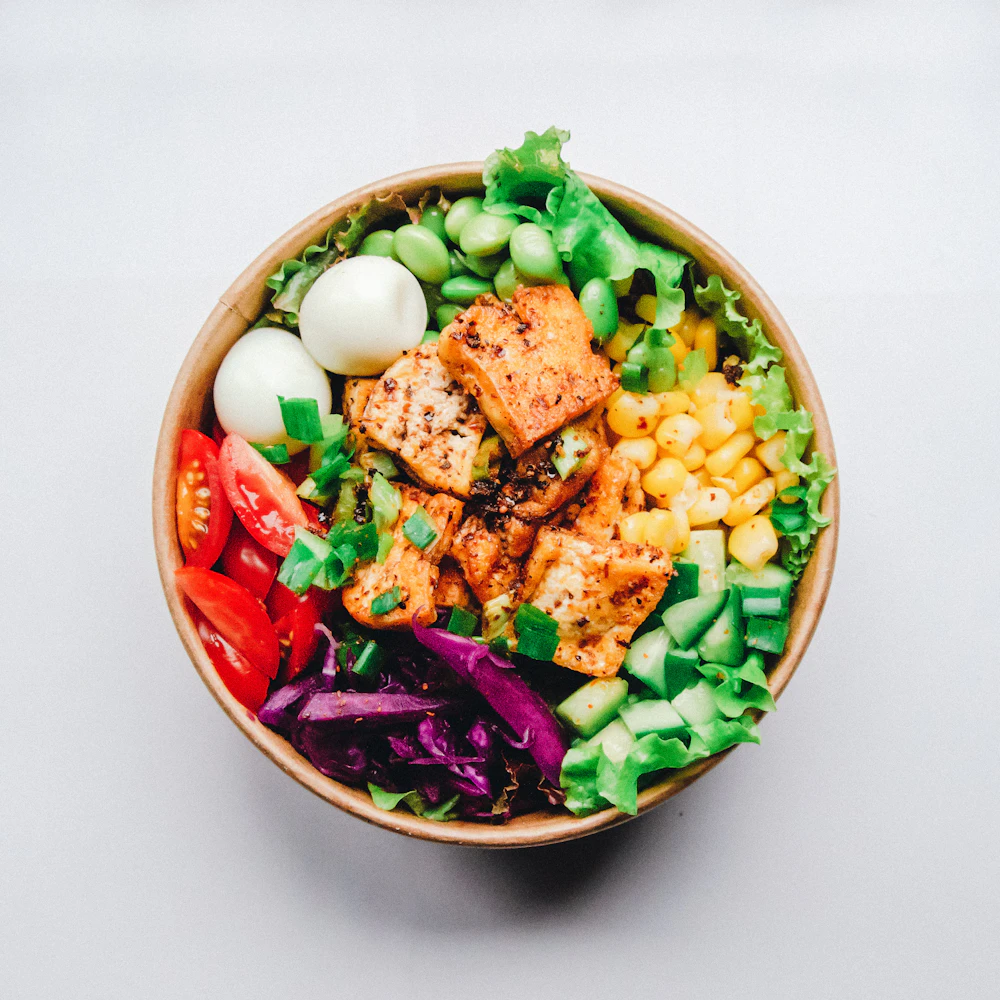
- Vegan / Plant-Based “Butter” Masala: Swap the chicken for firm tofu (pressed and cubed to absorb the marinade), roasted cauliflower florets, or a can of drained chickpeas. Paneer (Indian cottage cheese) is a fantastic vegetarian alternative, creating the beloved Paneer Butter Masala. To replace the dairy, use a high-quality vegan butter or unrefined coconut oil. Instead of heavy cream, use full-fat coconut milk or blend extra soaked cashews with water to create a thick, neutral-tasting cashew cream.
- Keto / Low-Carb Butter Chicken: Traditional butter chicken is already quite keto-friendly, but requires minor tweaks. Skip the cashews in the sauce, as they contain higher carbohydrates. Omit the added sugar entirely; if your tomatoes are tart, use a pinch of monk fruit sweetener. Serve the rich curry over a bed of steamed, buttered cauliflower rice or alongside almond-flour keto naan.
- Dairy-Free: If you eat meat but cannot tolerate dairy, use the same chicken marinade but swap the Greek yogurt for a thick, unsweetened coconut or cashew yogurt. Utilize ghee (which is lactose-free, if tolerated) or a neutral oil, and finish the dish with oat cream for that luscious texture.
Serving Suggestions and Perfect Pairings

Credit: unsplash.com
A dish as regal, complex, and deeply satisfying as Butter Chicken Masala deserves an equally magnificent supporting cast. How you present and serve this curry can elevate a simple weekday dinner into a memorable, multi-sensory feast.
The Bread: Sponges for the Sauce
The rich, buttery, and thick makhani gravy is practically begging to be scooped up by fresh, warm bread. Garlic Naan, blistered in a hot pan and heavily brushed with melted garlic butter and fresh cilantro, is the ultimate pairing. The soft, pillowy texture and the slight chew from the gluten development in the naan act as the perfect sponge for the sauce. If you cannot find or make naan, buttery, flaky, multi-layered Parathas or traditional whole-wheat Tandoori Roti make excellent traditional alternatives.
The Rice: The Aromatic Canvas
While bread is essential for scooping, rice provides a wonderful, neutral canvas for the curry, soaking up the sauce while offering a delicate textural contrast. A bed of perfectly cooked, long-grain, aromatic Basmati Rice is classic. To take it up a notch, make Jeera Rice by tempering cumin seeds in a little ghee before cooking the rice, or add a pinch of saffron threads to the rice water for a fragrant, visually stunning golden Saffron Pulao.
Fresh Sides and Accompaniments (Cutting the Fat)
Because butter chicken is exceptionally rich and heavy on dairy fats, you desperately need acidic, crisp, and cooling elements on the table to cut through the richness and cleanse the palate between bites.
- Kachumber Salad: A simple, highly refreshing salad made of finely diced English cucumbers, red onions, and tomatoes, tossed with fresh lemon juice, salt, and a dash of funky chaat masala.
- Sirka Pyaaz (Pickled Onions): Small red onions or sliced shallots soaked in white vinegar, salt, and beet juice (for a neon pink color). Their sharp, bright acidity pairs gorgeously with the creamy chicken.
- Mint-Cilantro Raita: A cooling, spiced yogurt dip laced with fresh mint, which calms the palate.
Beverage Pairings
To drink, nothing complements a spiced, rich Indian meal better than a chilled, sweet Mango Lassi—a thick, yogurt-based mango smoothie that extinguishes any lingering spice. If you prefer an alcoholic pairing, the carbonation and bitterness of an ice-cold, crisp Indian Lager (like Kingfisher) or a citrusy, hop-forward Pale Ale balances the warming spices beautifully. For wine lovers, avoid heavy reds with high tannins; instead, opt for an off-dry Riesling or a fruity Gewürztraminer, whose subtle sweetness and high acidity cut right through the creamy tomato sauce perfectly.
Frequently Asked Questions (FAQ)
Credit: unsplash.com
1. Is Butter Chicken exactly the same as Chicken Tikka Masala?
No, though they look quite similar and share DNA, they are fundamentally different. Butter Chicken (Murgh Makhani) originated in Delhi, India, and is characterized by a very rich, heavily butter-and-cream-based tomato sauce. The spice profile is intentionally mild and slightly sweet. Chicken Tikka Masala, widely believed to have been adapted in the UK, uses a more robust, heavily spiced onion-and-tomato base, generally features less butter, and is noticeably spicier and earthier than Butter Chicken.
2. Can I freeze Butter Chicken Masala?
Yes, this dish freezes exceptionally well, making it perfect for meal prep! However, the key to freezing dairy-heavy curries is to freeze them before adding the heavy cream. Make the recipe all the way up to the point of simmering the chicken in the tomato base. Let it cool completely to room temperature, store it in an airtight, freezer-safe container, and freeze for up to 3 months. When you are ready to eat, thaw it overnight in the fridge, reheat gently on the stove until bubbling, and stir in the fresh cream and kasuri methi just before serving. This prevents the cream from splitting during the freezing and reheating process.
3. Can I make this in a Slow Cooker or Instant Pot?
Absolutely, though the technique requires slight modification. For an Instant Pot, use the “Sauté” function to sear your marinated chicken in batches, then remove it. Sauté your aromatics, add the tomatoes and spices, and pressure cook on high for 8 minutes. Release the pressure, use an immersion blender right in the pot (ensure you’ve removed the chicken first!) to smooth the sauce, then add the chicken back in on the “Sauté” setting to simmer. Stir in the cream and butter at the very end on the “Keep Warm” setting.
4. Is Butter Chicken supposed to be spicy?
No, authentic Murgh Makhani is famously mild. The use of Kashmiri chili powder imparts a brilliant, fiery red color rather than burning capsaicin heat. The generous amounts of cream, butter, and cashew paste further dilute and soften any spice, making this an incredibly kid-friendly and universally appealing dish. However, if you personally prefer a kick of heat, you can easily add half a teaspoon of cayenne pepper or slit two fresh green chilies and simmer them in the sauce.
5. Why do I need to soak the cashews?
Soaking cashews serves two purposes. First, it softens the nuts so that even a standard household blender can pulverize them into a completely smooth paste without leaving gritty chunks in your sauce. Second, soaking helps activate and release the starches and fats within the nut, which are necessary to emulsify and thicken the acidic tomato base without it splitting. If you are in a rush, boil the cashews in water for 15 minutes instead of a long cold soak.
Cooking authentic Butter Chicken Masala at home is an incredibly rewarding endeavor. It is a dish that demands patience, respects technique, and yields a profound depth of flavor that store-bought jars simply cannot replicate. By understanding the history, mastering the science of the spices, and treating the ingredients with care, you are not just making dinner—you are keeping a beautiful, mid-century culinary legacy alive in your own kitchen. Happy cooking!